Championing Inclusive Policy
The Lab works to advance policies that make our communities more welcoming for our refugee neighbors and other newcomers.
The Lab provides technical, advocacy and communications support to partners on the ground in Georgia, Iowa, Kentucky, Minnesota, North Carolina, Ohio, Oregon, Pennsylvania, Virginia, and Wisconsin to advance policies and programs that reduce barriers and deepen opportunities for forcibly displaced people and other newcomers to thrive. Starting in 2026, the Lab will also be supporting local partners on a case-by-case basis to defend against state policies harmful to forcibly displaced and other immigrant communities.
Areas of Work
The Lab focuses on the following priorities in our work with local partners in our ten-state network, as well as resources we provide the field at large.
-
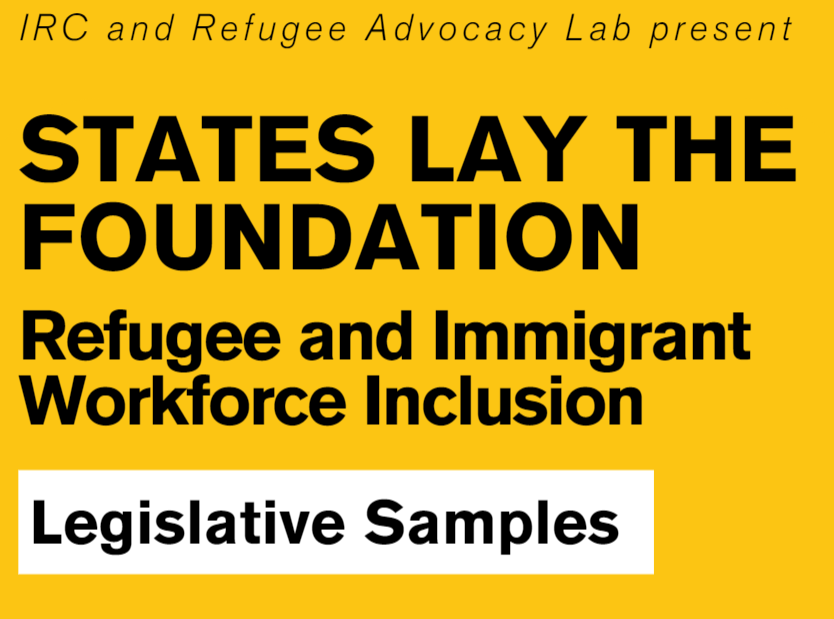
Across the country, states are facing labor shortages—particularly in healthcare, manufacturing, and education. Yet hundreds of thousands of immigrants and refugees who have been educated and worked professionally in these fields in their countries of origin face barriers when entering these sectors here in the United States. The Lab has worked to encourage states to invest in opportunities for newcomers to access the workforce and create pathways for people to return to their field of expertise. This work is now more critical than ever: federal immigration policies are simultaneously revoking the lawful status of millions and impeding the renewal of work authorization for millions more. This exacerbates workforce shortages, demanding a state and local response to push back against these economically damaging policies.
-
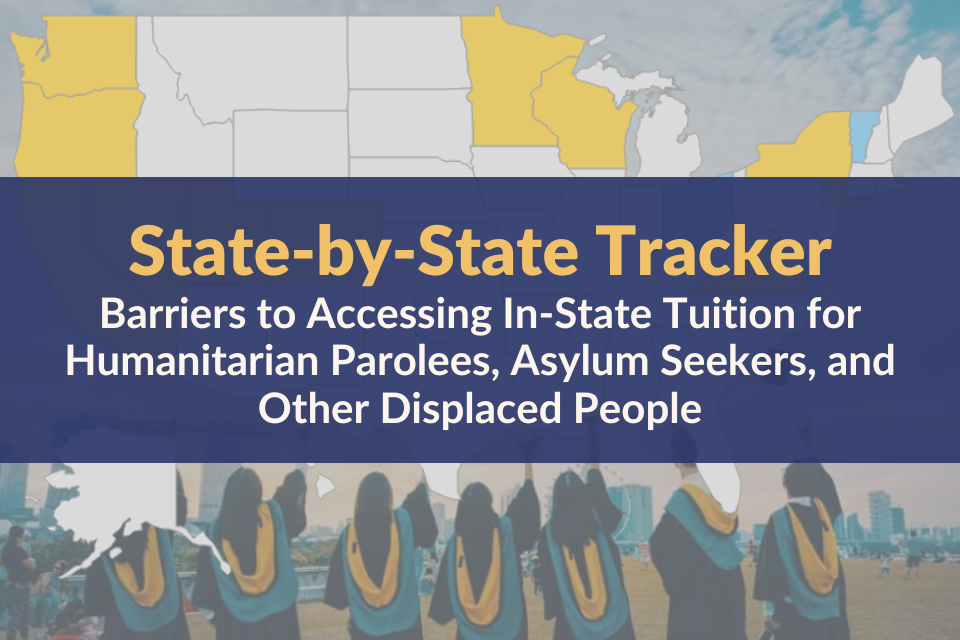
Access to education is critical to the long-term success of all newly arrived community members and their ability to achieve their full potential. Yet in many cases, the policies in place fall short, and newcomers are unable to realize their full potential. The Lab has worked to revise and strengthen existing state policies regarding access to education both in the K-12 context and in higher-education. This has included advocating for adjustments to school enrollment policies for refugee children and expanded access to in-state tuition.
-
Across the United States, 21 million people are English language learners, yet state and local agencies and institutions are often unable to provide meaningful language access when providing services to those with limited English proficiency. With the federal government signaling a retreat from proactive language access enforcement, the burden of protecting language rights falls to the states. We are committed to ensuring that language barriers do not prevent any community members from understanding their rights and accessing education, critical services, programs, and benefits from state and local agencies and institutions.
-
States can take many approaches to create and fund structures and programs that ensure forcibly displaced communities and other newcomers have access to the information, services, and opportunities they need to thrive. From state Offices of New Americans to investment towards integration services (such as employment and English language training), extended case-management, legal representation, and more there is immense value in state governments institutionalizing and coordinating their approach to inclusion across agencies; providing resources to these functions and programs; and ensuring their approaches are informed by and responsive to the needs of impacted communities.
-
With threats against immigrant and refugee communities at an unprecedented high, the Lab is working to support partners on the ground with a layered defensive strategy to protect communities from aggressive federal enforcement and push back against harmful state-level bills. We strategize with our state and local partners to mobilize grassroots opposition, submit testimony opposing bills, uplift the voices of impacted people with lived experience, and where appropriate, propose amendments that reduce harm. In response to the challenging times we face, the Lab is offering ad hoc support to state-based local organizations outside our network to push back against harmful state-level legislation.
The Lab will be working on a case-by-case basis to offer support, as needed, including Take Actions, legislative analysis, drafting bill amendments, placing op-eds in local media, and preparing testimony for legislative hearings.
See the IRC’s 2026 State Policy & Advocacy Guide for more information on strategies and best practices to pursue inclusive legislation in your state.
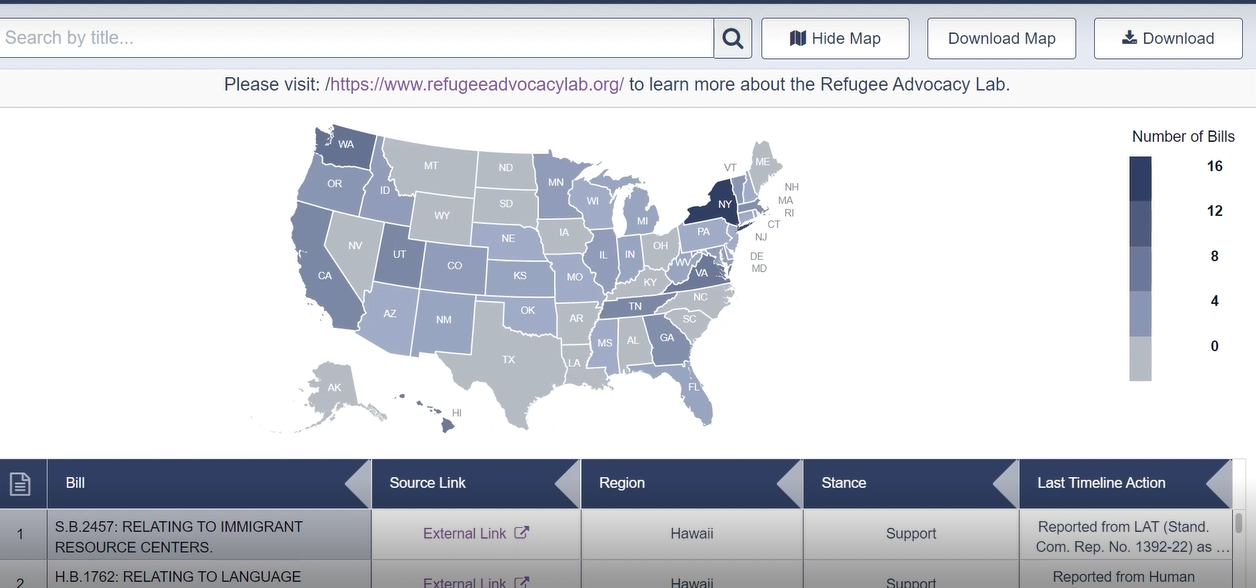
See the Lab’s 2026 State Legislative Tracker which tracks legislation across the country.
In response to the challenging times we face, the Lab is offering ad hoc support to state-based local organizations outside our network to push back against harmful state-level legislation.
The Lab will be working on a case-by-case basis to offer support as needed, including Take Actions, legislative analysis, drafting bill amendments, placing op-eds in local media, and preparing testimony for legislative hearings.
Examples of bills we could push back on include:
State policies that discriminate against or cause harm to refugees and other forcibly displaced communities
Attacks on refugee resettlement or state/local welcoming programs and infrastructure
Restrictions on language access support from government agencies or in the public education context
Increased barriers to workforce participation for refugees and other newcomers
“Anti-sanctuary” policies
Opportunity for State Support for Defensive Work
If your organization could use support to combat these types of policies, reach out!
Resources